Uber Doesn’t Have to Build the Robotaxi to Win the Ride

Listen to article
AI narration
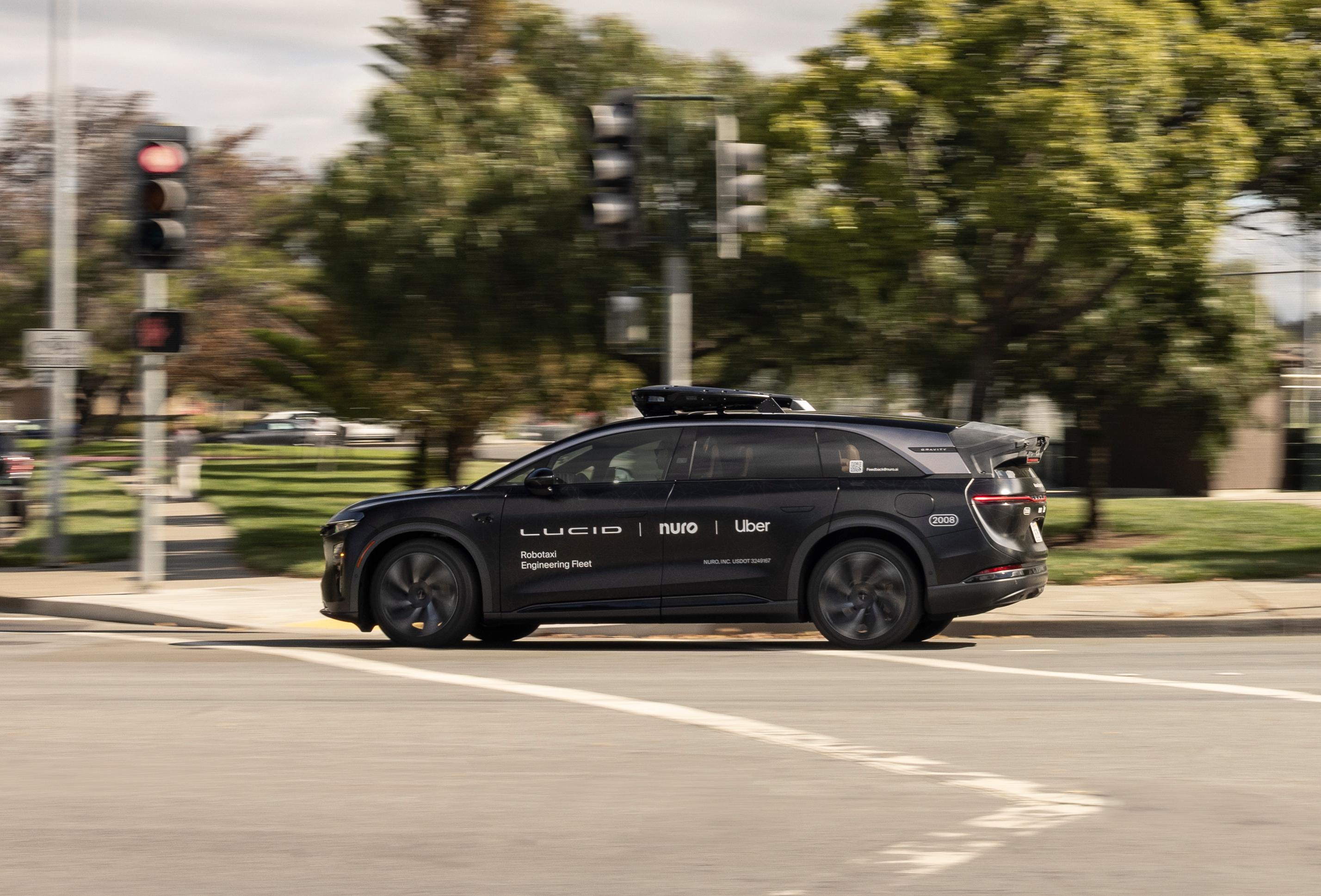
Imagine getting off Caltrain in Mountain View and opening Uber for the last few miles home. A Lucid Gravity pulls up. The car comes from Lucid, the software driving it comes from Nuro, and the app you’ll use to get in is the same one you opened last weekend. Which company would you tell a friend you rode with?
That trip is still hypothetical. On November 24, Lucid, Nuro, and Uber announced they had begun testing without a safety driver on public roads in Mountain View, Palo Alto, Los Altos, and Sunnyvale. Employee rides are planned next, with a public launch targeted for the first quarter of 2027.
Cover photo: A Lucid Gravity robotaxi engineering vehicle, courtesy of Nuro.
Three Companies, One Ride
Lucid builds the electric SUV and integrates the hardware it needs for autonomous operation. Nuro supplies the driving system. Uber handles booking, and Uber and its fleet partners are expected to own and operate the vehicles. That last part matters. Someone still has to charge the cars, clean up the back seat, and get a vehicle back into service when it needs a repair. The companies’ Houston expansion plan specifically calls out facilities for that work.
Uber’s advantage is that people already open its app when they need a ride. A driverless fleet might cover one side of town while a human-driven Uber can take you across the region. Having both in the same app could help a small fleet find riders while giving passengers a fallback when a trip falls outside the robotaxi’s service area.
A Different Car in Las Vegas
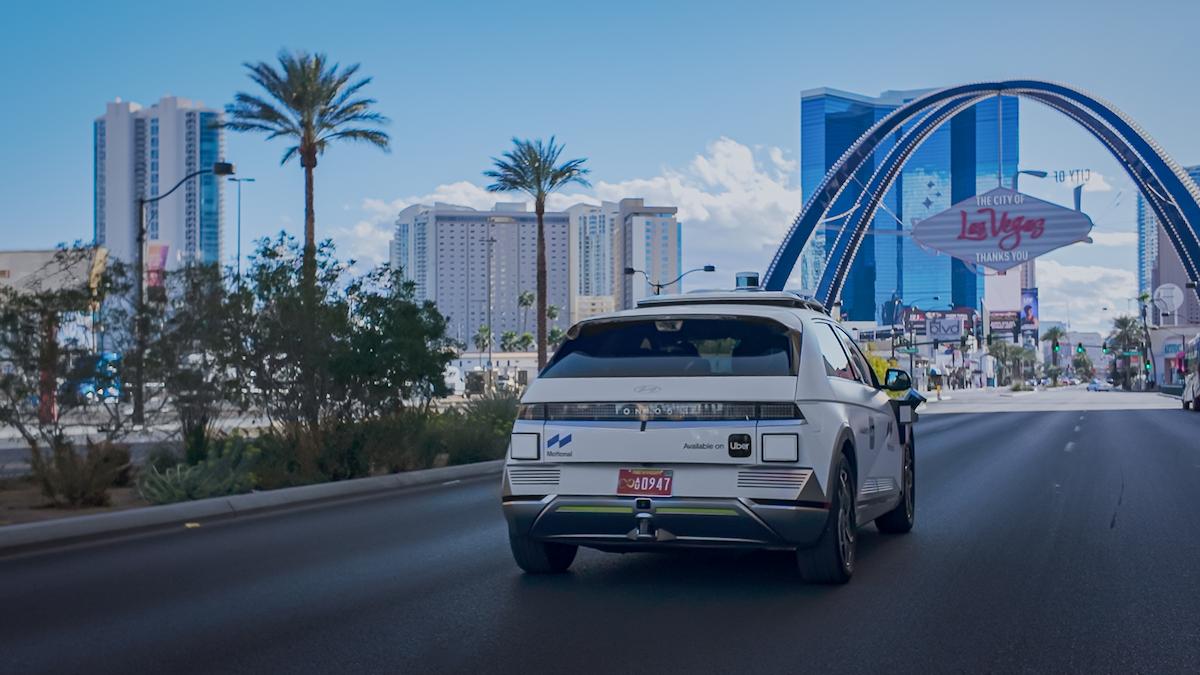
Motional’s Hyundai IONIQ 5 robotaxi in Las Vegas. Photo courtesy of the Motional press kit.
In Las Vegas, Uber is working with Motional, which uses a Hyundai IONIQ 5 and its own driving system. Motional announced on November 19 that it had completed a series of safety reviews ahead of its planned driverless commercial launch.
Vegas makes the appeal of a familiar app easy to see. If you’re leaving a hotel on the Strip, getting to the right rideshare pickup area can be the most confusing part of the trip. The useful features are a clear walking route to the pickup point, a way to identify and unlock your car, and help when you’re standing on the wrong curb. Uber can make those steps familiar even when the vehicle and the system driving it change from city to city.
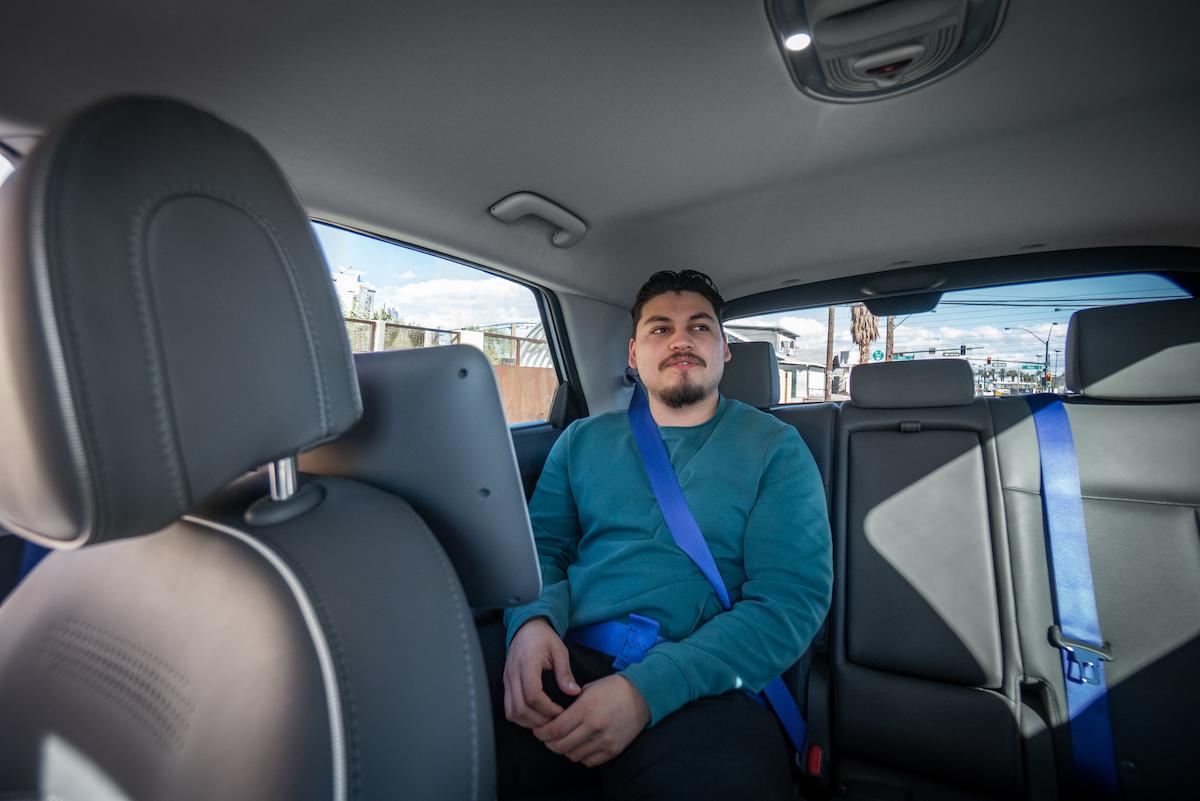
The rider’s view inside a Motional robotaxi. Photo courtesy of the Motional press kit.
The Waymo Comparison
In the Bay Area, Waymo can design the booking, pickup, and in-car experience as one service. That gives it more direct control over what happens when a passenger needs help or a pickup goes sideways. Waymo has also partnered with Uber in Austin and Atlanta, so even a company with its own app can see a reason to meet riders where they already book.
Uber’s challenge is making a ride feel consistent across fleets. Can the app tell me what to expect before the car arrives? Who can help if I leave a bag in the back? A good answer needs to work for the passenger regardless of how many companies are involved.
My Take
Once public rides begin, I’d start with a simple comparison: open Uber and Waymo at the same South Bay train station, enter the same destination, and see what each app offers. What’s the fare? How long is the wait? Can it do the whole trip? I’d try it again after dinner, when fewer vehicles might be available and a bad pickup is more of a hassle.
If Uber can make the driverless option as easy to book and as dependable as the other rides in its app, it has a shot at becoming the place people go for a robotaxi, even when someone else builds it. The screen that matters most might be the one you check before you ever see the car.