What Powers City 17? Energy in Half-Life 2

Listen to article
AI narration
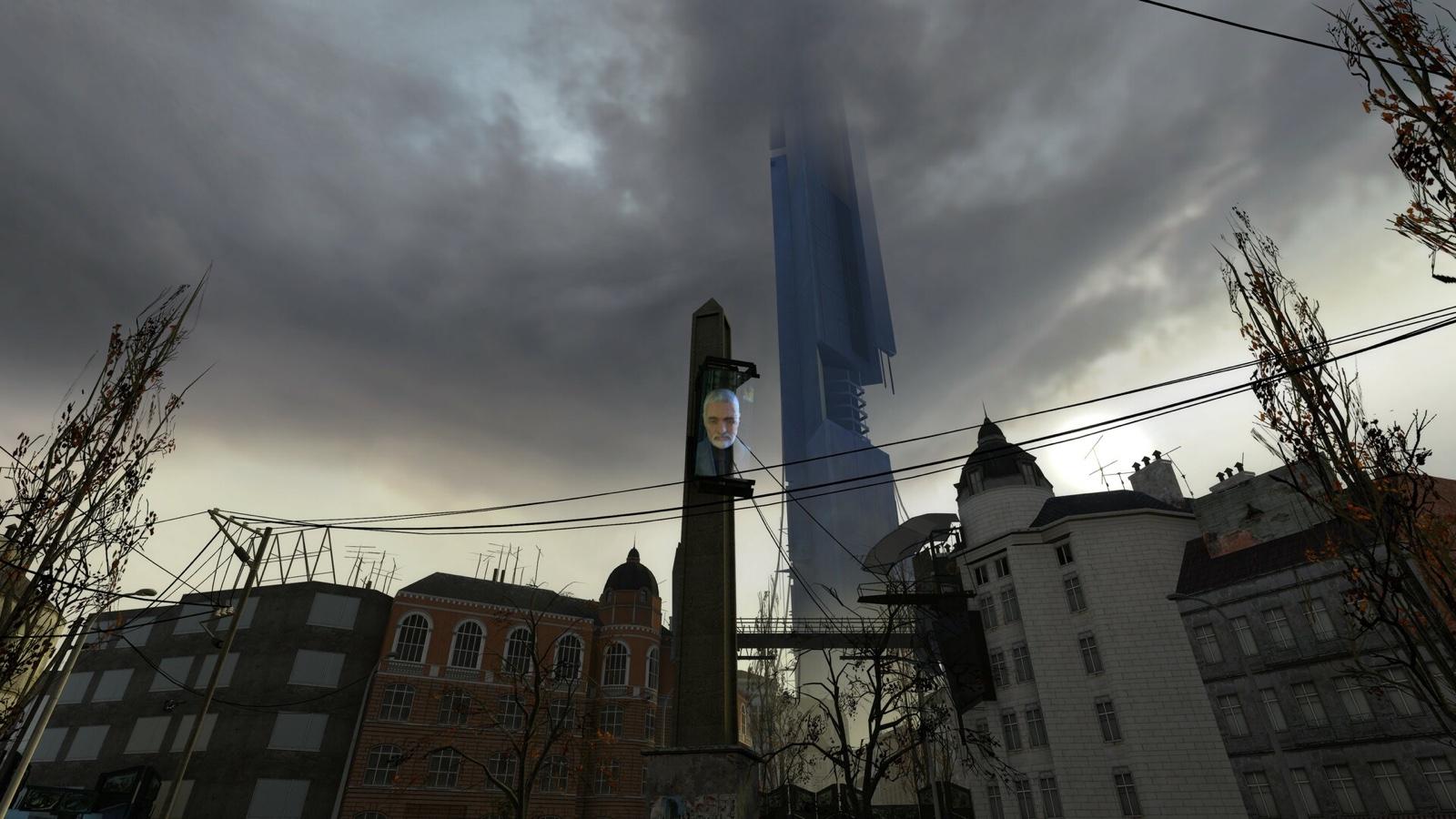
There’s a particular kind of relief in finding a wall charger in Half-Life 2. You stop for a few seconds, listen to it hum, and watch the suit meter climb. Up above the streets of City 17, the Combine has built a machine that can open a portal between worlds. Down here, you’re just glad you found an outlet.
The moment you enter the city by train and you begin feeling the Combine's overwhelming dominance over humanity, you wonder about their reliance on the human-built infrastructure.
The more I think about City 17, the more it feels like a story about access to energy. What can you carry with you? What can you borrow from the infrastructure around you? And what can you build when you’ve got an entire occupied city at your disposal?
Spoilers for the original Half-Life 2, including the ending.
The Citadel towers over City 17 in the cover image. All screenshots are from Valve’s Half-Life 2 gallery on Steam.
The Power You Carry
Gordon Freeman’s HEV suit makes energy something you keep an eye on. The suit’s armor charge helps absorb damage and can be replenished with batteries or wall chargers. The original game also gives the suit an auxiliary power system for things like the flashlight and sprinting. The distinction matters when you’re playing. You can find more armor charge and still have to wait for your flashlight to recover. Official game guide
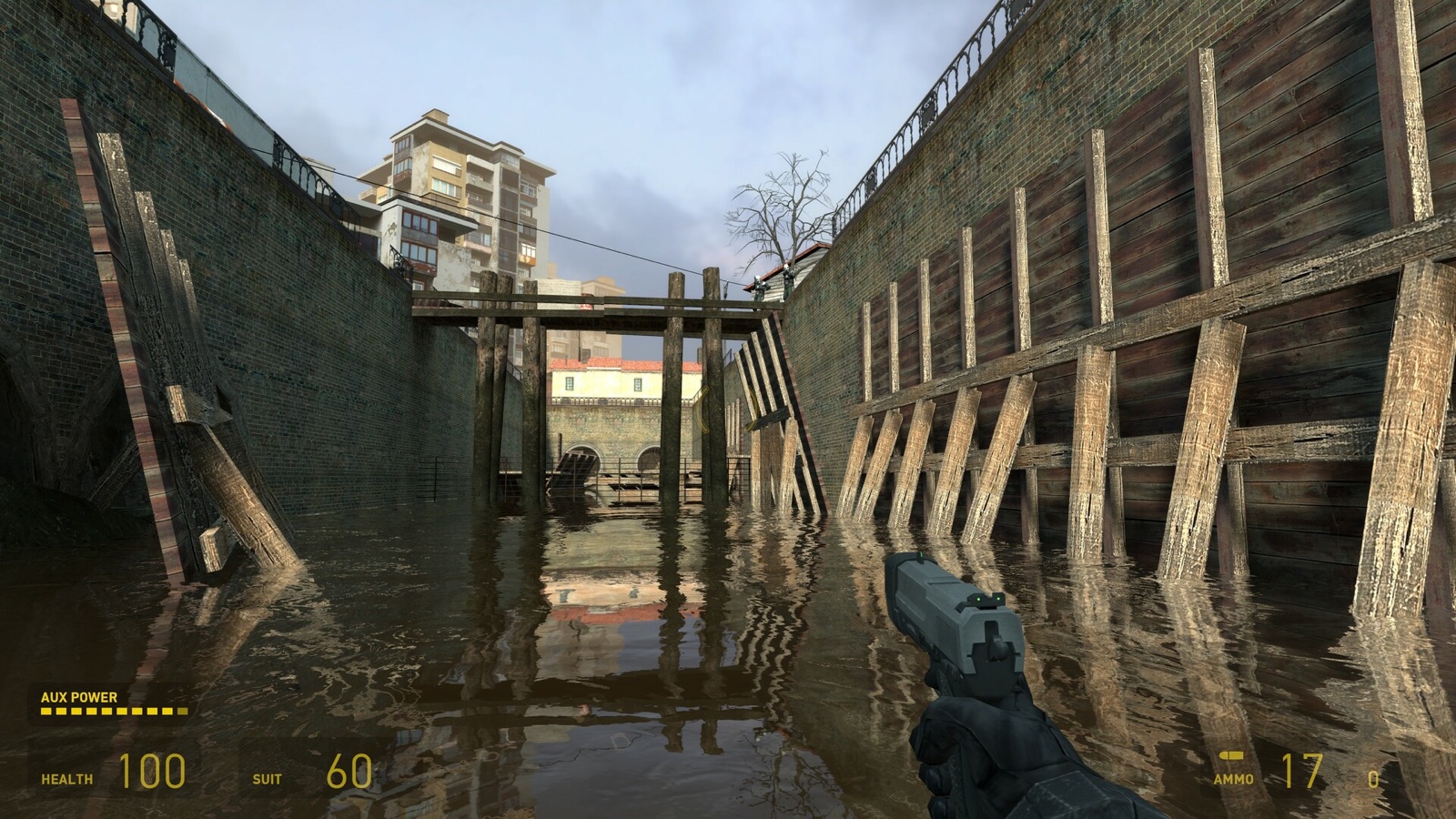
The HUD tracks auxiliary power and suit armor separately.
The little battery pickups are easy to take for granted. So is the fact that a suit brought over from Black Mesa can use Combine charging stations. I like what that says about the Resistance’s approach to engineering. If the occupiers have already wired a building, getting some of that power into a piece of equipment you can take with you is a win. Alyx’s multitool fits the same idea from another angle. Where Gordon finds power at the wall, Alyx brings a tool that can get existing hardware to do something useful.
Moving Things Without a Motor
At Black Mesa East, Alyx introduces the Gravity Gun in a scrapyard. Its formal name is the Zero Point Energy Field Manipulator, but the practical lesson is that a heavy object can suddenly come to you. Learn to pull a crate off the ground and you’ve learned something about the world that applies well beyond that yard. Furniture can clear a path. Debris can become cover. Things that looked like scenery turn out to have a weight you can feel through the controls. Alyx’s in-game dialogue
The name gives the machine some scientific texture, and the game leaves the power supply to your imagination. What it shows beautifully is the work being done. There’s a difference between lifting a small object, holding it in front of you, and sending it across the room.
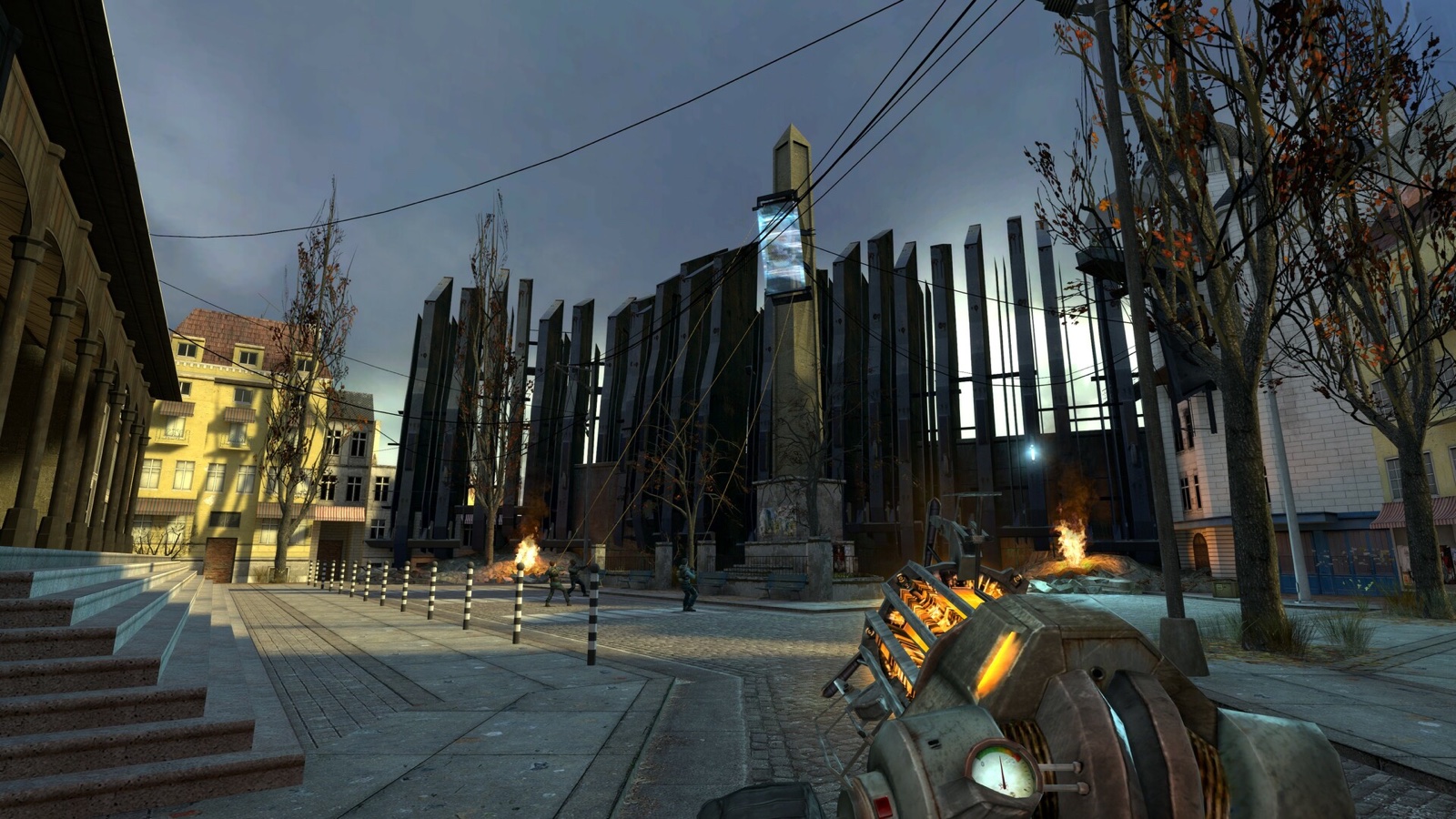
The scrapyard tool gets a second life on the streets of City 17.
The Short Trip the Combine Hasn’t Figured Out
Kleiner’s teleporter is supposed to take Gordon from City 17 to Black Mesa East. It gets Alyx there, then goes badly wrong when it’s Gordon’s turn. He ends up taking the long way through the canals. By the time he reaches the lab, the difference between a portal and the local transportation network feels a lot less abstract.
Mossman later explains that the Combine can travel between universes, while reliable local teleportation is still something the Resistance is working to master. An empire can get here from another world and still need vehicles to move around once it arrives. You see that dependence every time a Combine patrol rolls past. The game gives the vehicles a place in the occupation without pinning down whether they run on anything we’d recognize. Mossman’s in-game dialogue
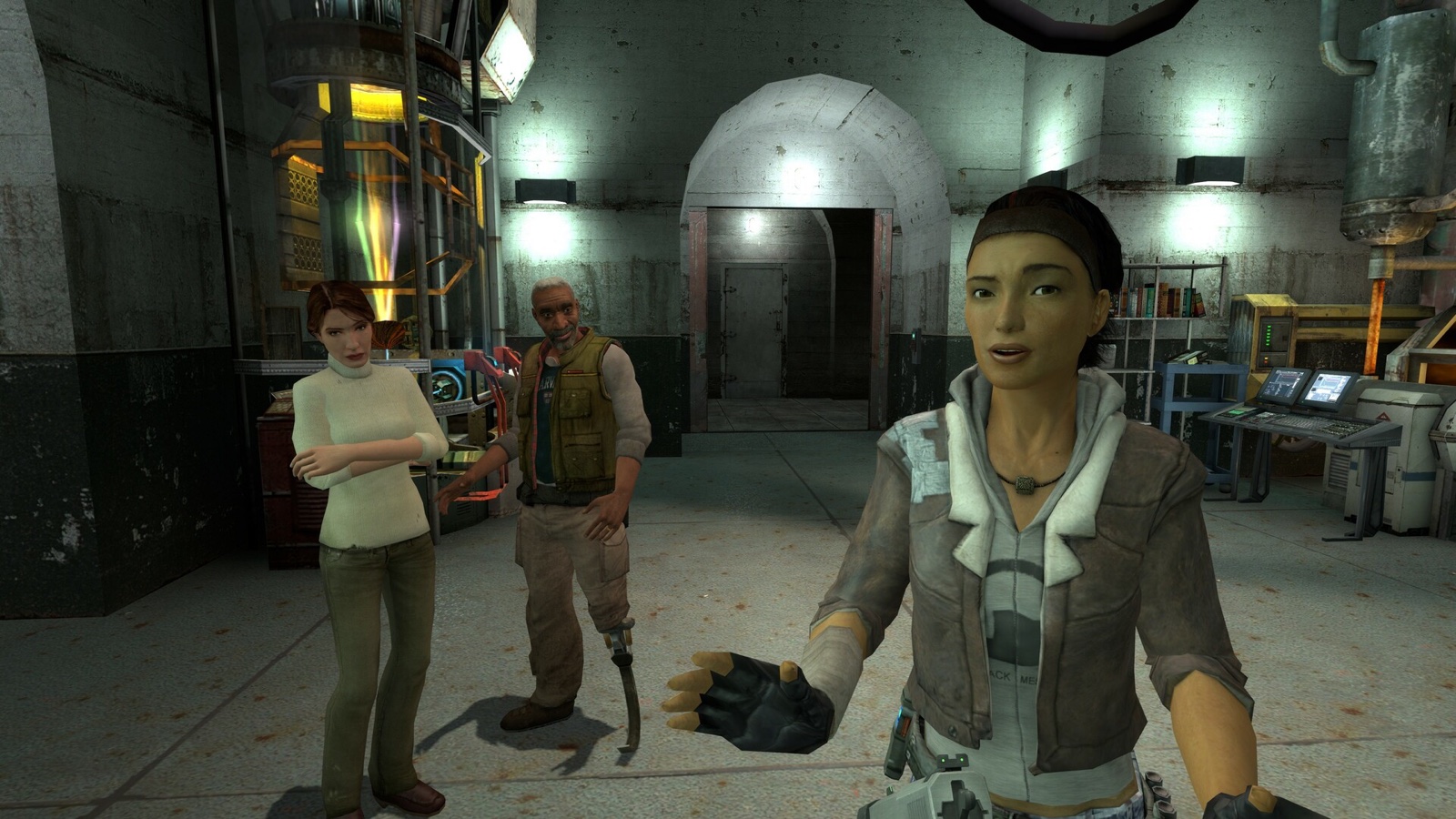
Black Mesa East, the place Gordon was supposed to reach from Kleiner’s lab.
What the Citadel Has at Its Disposal
Along Highway 17, boats sit far from the water. The receded coastline leaves the impression of a planet being stripped for resources. It’s tempting to draw a line from those stranded boats straight to the Citadel’s reactor. I’d leave that line dotted. The landscape shows the scale of what’s being lost, and the reactor shows the scale of what the Combine can operate. The game leaves the connection between them open.
Inside the Citadel, energy is visible. Glowing orbs move through conduits, and the same visual language appears in the much smaller orb fired by the AR2’s alternate mode. The rifle is a brief glimpse of what Combine technology looks like when it can be carried by one person. The portal at the top of the tower shows what it looks like when the machinery can take up a building. Valve’s AR2 code · Citadel developer commentary
Then the Citadel’s confiscation field strips Gordon of his weapons and supercharges the Gravity Gun. The tool he learned to use on junk in a scrapyard can now turn the Citadel’s own energy orbs against its machinery. It’s a satisfying end to an idea the game has been playing with since that first charger. You spend most of Half-Life 2 taking power wherever you can find it. At the top of the Citadel, you finally get to decide where some of it goes.